The Pig Problem
Feral hogs are not a small nuisance. They are a fast-breeding, highly destructive land management threat that puts pressure on crops, pasture, wildlife habitat, water systems, and long-term property value. This page is rebuilt in a cleaner premium layout for TrackerStraps.us, using the original imagery without awkward empty gaps.
Top running speed
Maximum weight
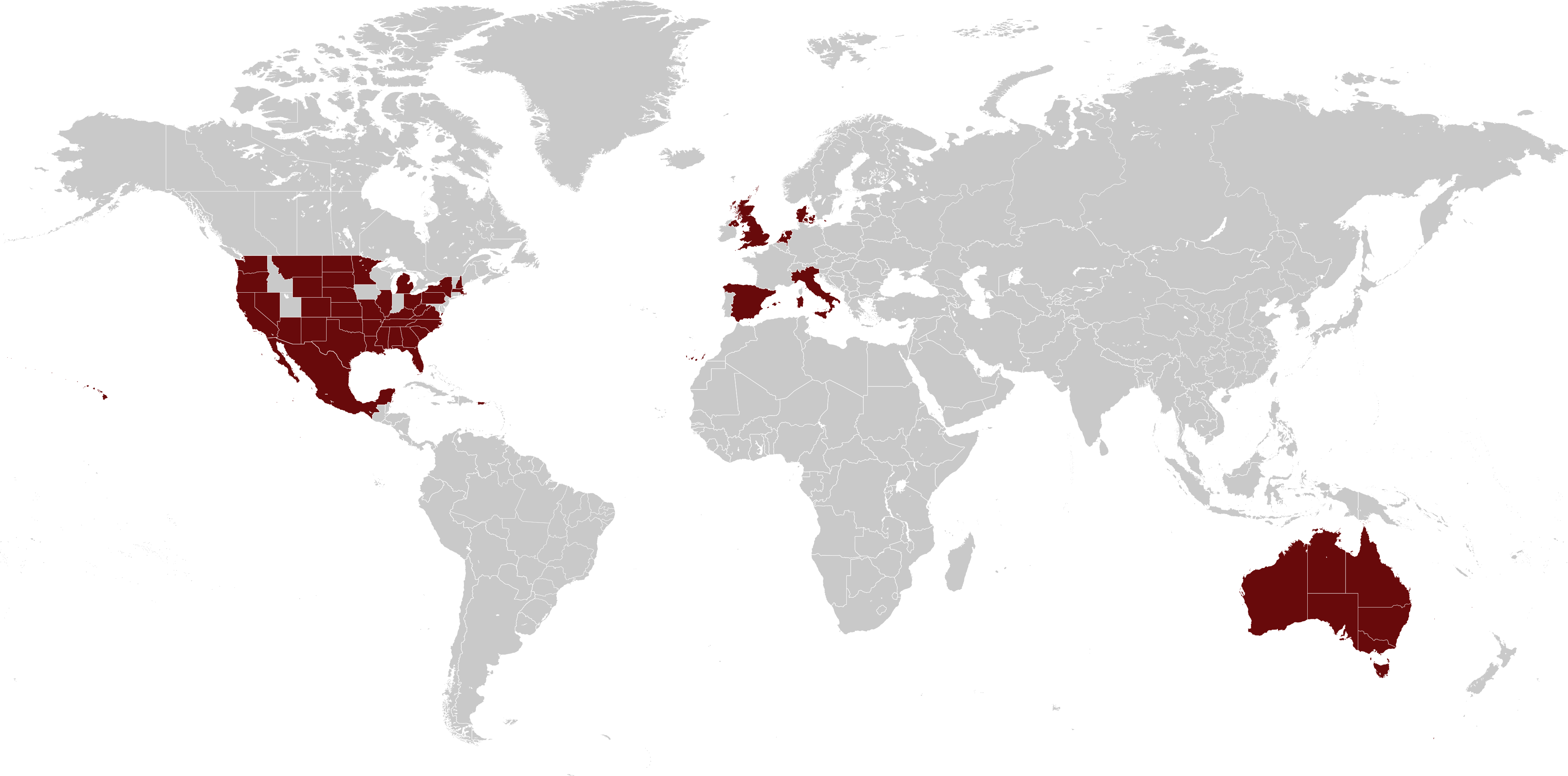
Reported established populations
Population numbers can double in
How We Got Here
The feral hog problem has deep roots in American history. Domestic pigs arrived with European settlers in the 1500s. Over time, some escaped captivity and established wild populations. Later, Russian boars were introduced for sport hunting, adding another aggressive layer to the problem.
The result today is a hardier hybrid population that combines durability, adaptability, intelligence, and strong reproductive capacity. That history helps explain why feral hog pressure has become so difficult to reverse once a population is established.
Why Feral Hogs Thrive
- High fertility with multiple litters and large piglet counts
- Omnivorous feeding that allows them to adapt to many landscapes
- Sharp survival behavior driven by intelligence and scent awareness
- Limited natural pressure once hogs reach adult size
The Growing Cost
Feral hog damage is expensive because it is constant, layered, and destructive across several categories at once. The problem is not limited to visible rooting. It reaches crop loss, contaminated feed, damaged pasture, torn fencing, disturbed timberland, weakened water quality, and disease concerns around livestock and wildlife.
- Rooting and trampling of crop and forest land
- Crop consumption and contamination
- Disease and parasite pressure around livestock
- Soil erosion and watershed degradation
Take Back Your Land
At TrackerStraps.us, we position pig control as a serious property management decision. A well-matched trap system can help reduce recurring damage, protect valuable land use, and move the owner from reacting to destruction toward controlling the source of it.
Better planning and better equipment create stronger long-term control.
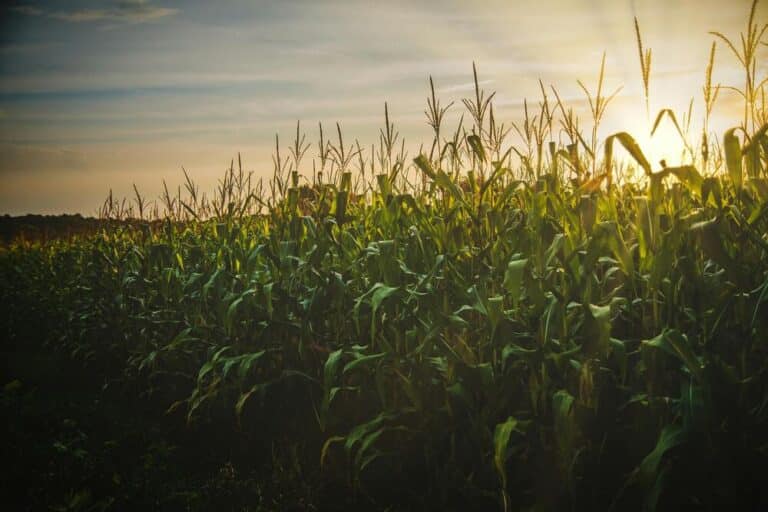
Farmers
- Hogs can destroy large crop areas in a single night
- They increase disease pressure around livestock
- Rooting damages fields and adds wear to equipment
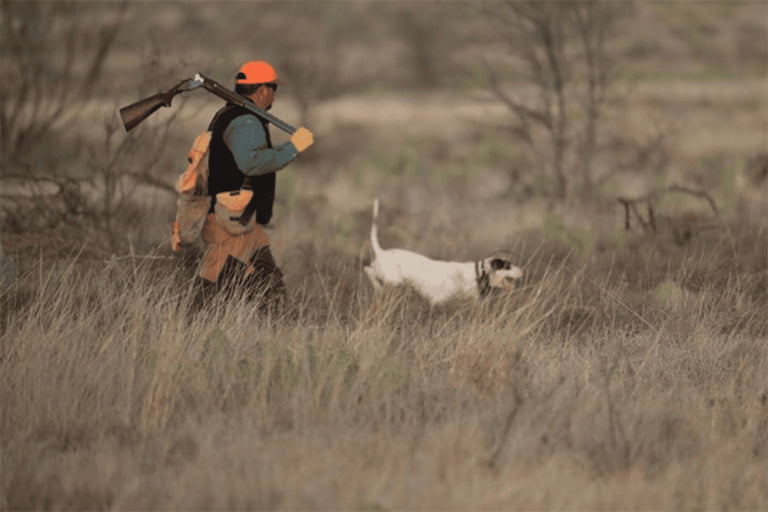
Gamekeepers
- Hogs disrupt native wildlife activity and balance
- They compete for water and food sources
- They reduce habitat quality across managed land
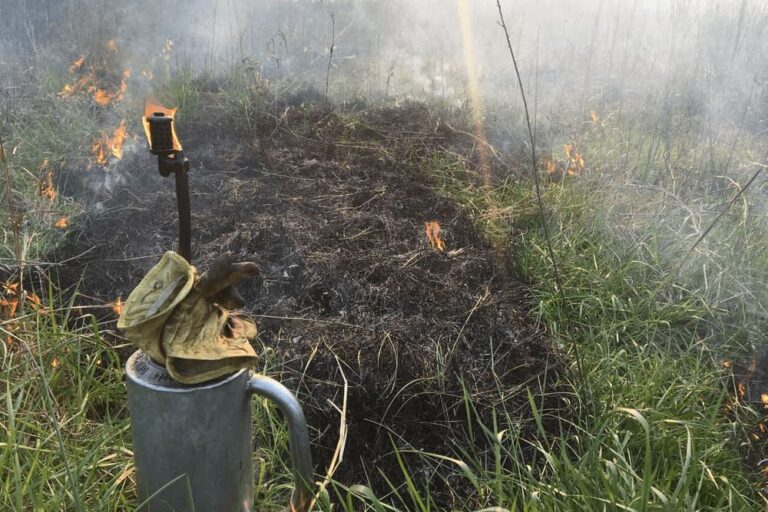
Conservationists
- Rooting alters habitat structure and soil stability
- Wetlands and streams can suffer degraded quality
- Threatened native species face added pressure
TrackerStraps.us In The Field
Landowners, ranch managers, wildlife professionals, and conservation-focused operators do not need theory alone. They need practical systems that can be deployed in real conditions, moved when pressure changes, and matched to actual property needs.
That is why this page belongs on TrackerStraps.us. It frames the product category within the real land problem driving the demand for it. A premium website should not just display products. It should help visitors understand the scale and seriousness of the challenge those products are meant to address.
Talk To The Pros
If hog pressure is affecting your property, waiting usually makes the problem more expensive. Contact TrackerStraps.us and explain your situation. We can help you think through trap style, property fit, placement logic, and the practical next step for your land.
Info@trackerstraps.usFree Practical Guidance
We believe buyers should be able to speak with someone who understands the issue before making a decision. That includes discussing trap selection, baiting direction, property conditions, and the overall strategy most likely to produce results.
Request A QuoteThe right recommendation starts with understanding the land, the pressure, and the real goal.