Feral Swine In The U.S. Distribution & History
This page gives visitors a clearer understanding of how feral swine have spread across the United States, why their range matters, and why serious landowners, ranch operators, and property managers continue to look for practical control solutions. It is written for TrackerStraps.us in a premium, easy-to-read format, while using the original visual references and map images provided from the USDA APHIS distribution material.
Not Native To The Americas
Feral swine did not originate in the Americas. Their presence in the United States developed through importation, escapes, and later wild boar introduction.
Long-Term Expansion
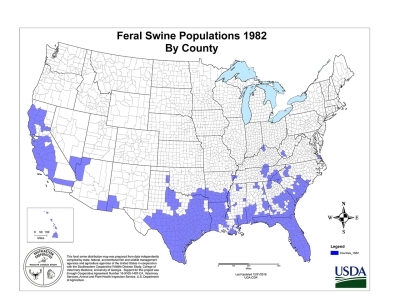
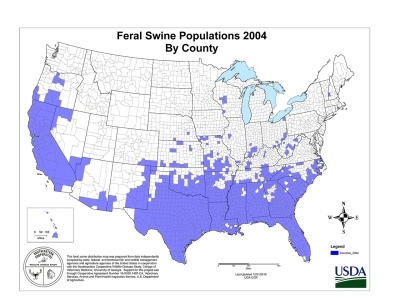
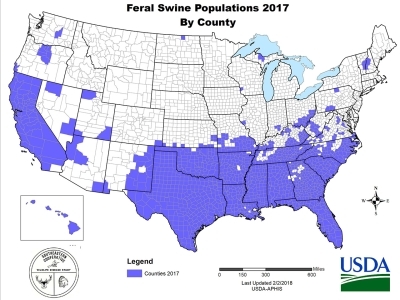
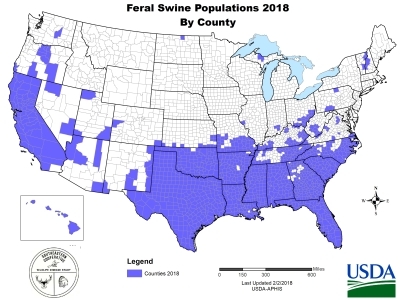
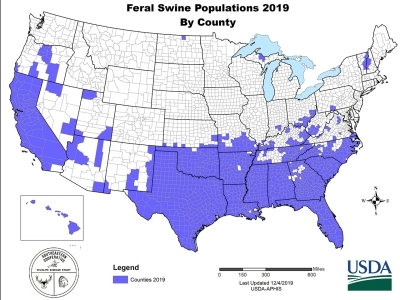
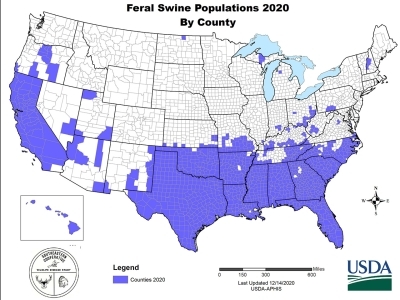
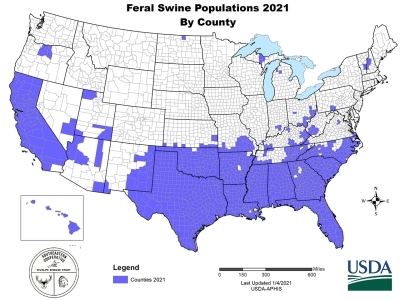
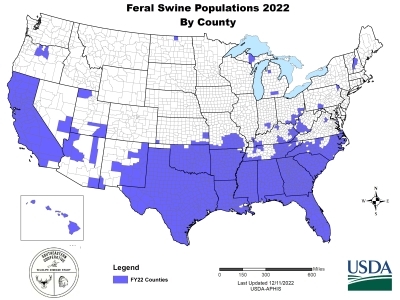
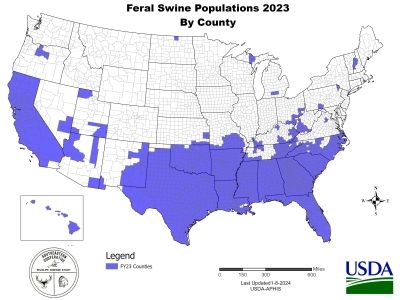
The historical maps show how feral swine expanded across counties over time, turning what began as scattered populations into a much broader management concern.
Why This Matters
Understanding swine distribution helps explain why property owners increasingly need stronger trapping strategies, faster response, and more informed planning.
About This Page
A strong educational page on TrackerStraps.us should do more than repeat general facts. It should help visitors understand the bigger picture behind feral swine pressure in the United States and why hog control is not just a local inconvenience but a long-running issue tied to land use, wildlife impact, farming losses, and operational risk. This page is built to do that in a more premium and structured way.
The material adapted here is based on the USDA APHIS feral swine distribution content you referenced. Rather than copying the original government page structure, this version reshapes the information into a clearer, more visually refined page for your website. It keeps the useful educational value, uses the original image references you supplied, and turns the topic into a strong resource page that fits the TrackerStraps.us brand direction.
That matters because buyers often need context before they purchase. A person dealing with hog pressure on a property may already know there is a problem, but not necessarily understand how widespread feral swine activity has become over time or how long the issue has existed in the United States. A page like this helps connect your products to the larger reality behind the need for them. It turns the website into something more credible than a simple product catalogue.
For TrackerStraps.us, a page like this works well as both an educational asset and a trust-building asset. It shows that the site is serious about the subject, informed by established public data, and committed to presenting useful background information rather than only pushing product listings.
Program Context And National Effort
According to the USDA APHIS material you provided, the National Feral Swine Damage Management Program has worked to reduce the number of states with feral swine populations and to slow or curb further expansion within the United States. That effort is important because feral swine problems are not solved by waiting for them to disappear. They often require active management, early reporting, and targeted removal.
The page explains that range reduction has been supported by focused removal efforts, better reporting of new populations in areas where no known feral swine are established, and rapid response when emerging or translocated swine populations appear. In practical terms, this means there has been an ongoing recognition at the national level that feral swine are not just a small local issue. They represent a broader damage-management problem that can affect agriculture, land, safety, and operational costs.
For your website, this is useful because it reinforces the idea that customers looking at pig traps are responding to a real and documented issue. They are not overreacting, and they are not dealing with a niche inconvenience. They are responding to a problem that has been serious enough to require organized national monitoring and control programs.
History Of Feral Swine In The Americas
The original APHIS content explains that feral swine are not native to the Americas. They were first brought to what is now the United States in the 1500s by early explorers and settlers, largely as a food source. That matters because it places the issue in a long historical timeline rather than treating it as a recent wildlife development.
Over time, free-range livestock management practices and escapes from enclosures helped establish early feral swine populations. Later, in the 1900s, Eurasian or Russian wild boar were introduced into parts of the United States for sport hunting. The result today is a mixed feral swine population made up of escaped domestic pigs, Eurasian wild boars, and hybrids between the two.
This history is worth explaining on TrackerStraps.us because it helps visitors understand why feral swine are adaptable, widespread, and difficult to manage. They are not a single narrow category of animal in one isolated habitat. Their background involves multiple introductions, multiple breeding pathways, and a long period of establishment that has made them a durable challenge across different parts of the country.
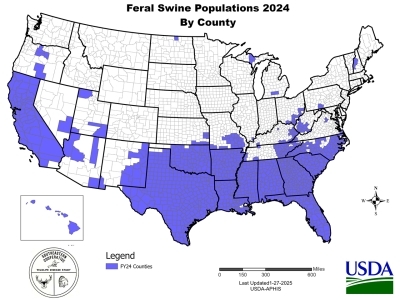
2024 Distribution Map
The 2024 map below provides a modern snapshot of feral swine populations by county. For visitors on TrackerStraps.us, this kind of map serves as a strong visual reference point. It shows that the issue is geographic, measurable, and much broader than many first-time buyers may realize.
For a property owner, seeing the distribution visually can change how the problem is understood. It becomes easier to see feral swine management not as a random event, but as part of a larger national pattern of land pressure, animal movement, and control difficulty.

Feral Swine Populations By County 1982–2024
One of the most useful parts of the source material is the county-by-county timeline gallery. It shows how feral swine distribution has changed across the years, making the issue much easier to understand visually. Instead of relying only on a written explanation, the map sequence tells a story of spread, persistence, and the importance of long-term control efforts.
For TrackerStraps.us, this gallery becomes more than just historical reference material. It supports the broader logic behind your products and services. If populations spread across more counties over time, then practical trapping, planning, and control become more relevant to more customers. That is why a timeline gallery like this fits well on your website.
Why This Matters For TrackerStraps.us
A page like this strengthens your website because it adds authority and context. Instead of asking visitors to jump straight from awareness to purchase, it helps them understand why hog management remains a real topic of concern across the United States. That educational layer makes your site look more serious, better informed, and more aligned with practical field realities.
It also gives you a stronger foundation for connecting product pages, service pages, and quote pages. Someone reading about distribution and history is already thinking about risk, spread, and long-term land impact. That makes the transition into pig traps, field services, consulting, or trap hire feel more natural. In other words, this page supports conversion by first supporting understanding.
For a premium website, that is the right direction. You are not just selling a product. You are helping a visitor understand a documented problem and then offering a practical way forward.
Need A Practical Solution For Your Property?
If this page helped confirm the scale of the feral swine issue, the next step is to choose the right response. Contact TrackerStraps.us to discuss your property, your hog pressure, and the most suitable trap or service direction for your situation.
Contact Us Today